Georgia Utility Bill Help in 2026: LIHEAP, Georgia Power and More
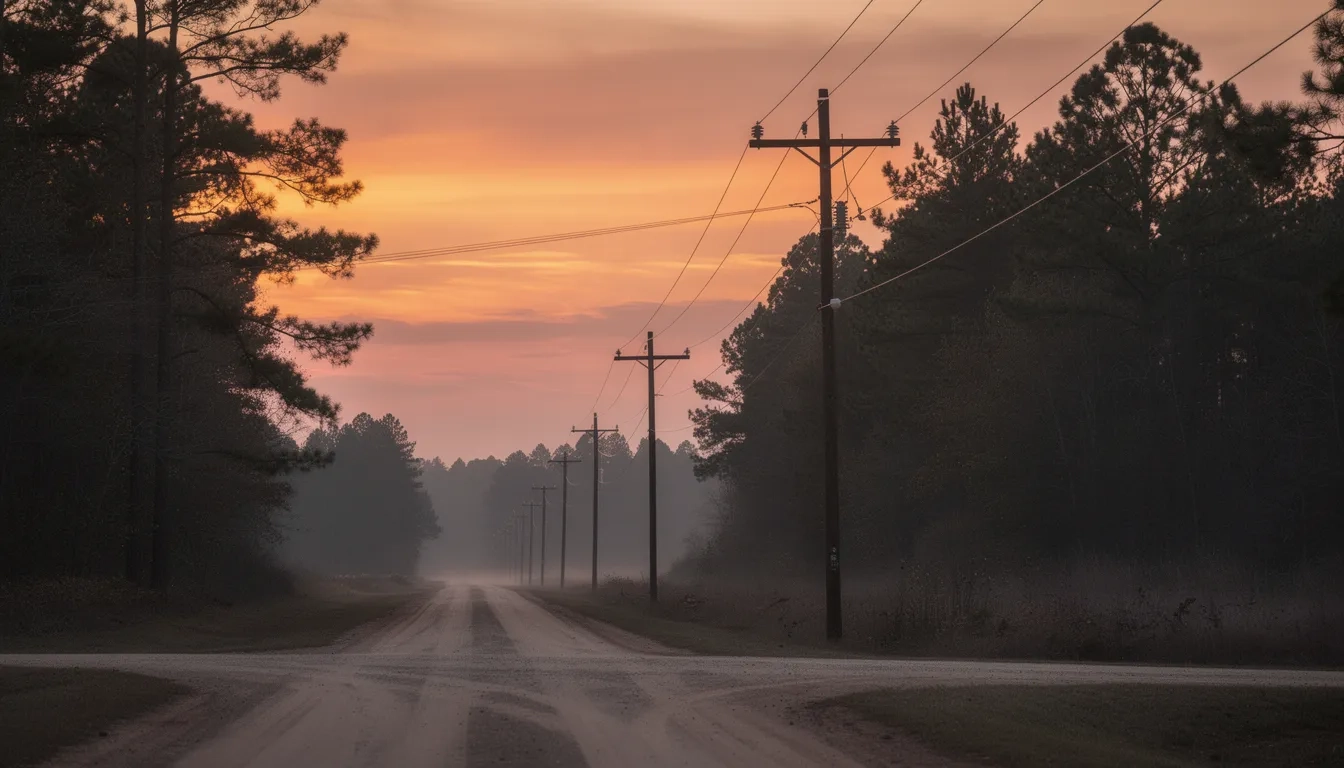
Picture a single mom in Valdosta staring at a $312 Georgia Power bill in February, doing the math on rent, groceries, and whatever's left. That scene plays out across the state every winter and every August heat wave. What most people don't realize is that Georgia actually runs a decent stack of overlapping help — federal, utility-funded, and co-op — and almost nobody explains all three in the same breath.
That's the gap this guide closes. Not a list of hotline numbers you'll lose track of, but an actual breakdown of who qualifies for what, when the windows open, and which mistakes cost people their benefits every single year.
LIHEAP: Georgia's Core Bill-Payment Safety Net
The Low Income Home Energy Assistance Program is the foundation everything else sits on top of. It's federally funded but run locally, through Georgia's network of Community Action Agencies, and administered statewide by the Georgia Department of Human Services' Division of Family and Children Services (DFCS).
Income eligibility is set at 60% of the state median income. For the 2026 fiscal year that works out to $34,549 a year for a household of one and $77,071 for a household of five — oddly specific numbers, but that's how median-income formulas work. You also need full responsibility for paying your home's primary heating bill, and here's a detail people miss: a household sitting on a utility credit balance of $1,000 or more isn't eligible, credit or no crisis.
LIHEAP isn't one lump payment. It breaks into three pieces:
- Regular bill assistance — a payment applied directly toward your energy account
- Crisis assistance — faster-turnaround help when you're facing an actual shutoff or a genuinely dangerous heating/cooling situation
- Weatherization — insulation, sealing, and equipment repairs that lower your bill for good, not just this month
The timing trips people up more than the income rules do. Heating applications open December 1 for seniors 65+ and the medically homebound, then January 1 for everyone else. Cooling applications follow the same pattern in spring — April 1 for seniors and homebound residents, May 1 for the general public. It's first-come, first-served, and funding runs out. Waiting until your bill triples in January to start the application is the single most avoidable mistake in this whole system.
Georgia Power's Own Programs: Project SHARE and the Income-Qualified Discount
Georgia Power runs two separate assistance programs, and mixing them up is common enough that it's worth untangling here.
Project SHARE
This is the charitable one — funded by customers who round up their own bills, matched dollar-for-dollar by Georgia Power and Atlanta Gas Light, and administered by the Salvation Army rather than the utility itself. It reportedly reaches roughly 40,000 Georgians a year with more than $2 million in aid, covering electric, gas, or oil bills, emergency heating and cooling equipment repair, and occasionally food or shelter needs tied to an energy crisis. You apply by calling 1-800-25SHARE or contacting your local Salvation Army office directly — not Georgia Power's regular customer service line.
The Income-Qualified Discount
This is a standing monthly discount, not a one-time grant, and it's more available than people assume. Yes, being 65 or older with household income at or below 200% of the federal poverty guidelines qualifies you. But so does receiving SSDI, SSI, or a Section 8 housing voucher — no age requirement attached to those paths at all.
The biggest misconception about Georgia Power's discount program is that it's a "senior thing." Half the qualifying routes have nothing to do with age.
The discount runs $33.50 off your bill every month, indefinitely, as long as you stay eligible. A single person can earn up to $31,920 a year and still qualify; a family of four, up to $66,000. The bill has to be in the qualifying person's name — a detail that disqualifies more applicants than the income test does. Apply through Georgia Power's online eligibility checker or by calling 1-888-660-5890.
Georgia Power also runs EASE (Energy Assistance for Savings and Efficiency), which pays for free weatherization and efficiency upgrades for income-qualified customers — worth asking about even if you're mainly chasing the monthly discount.
Rural Georgia: What EMC Co-op Members Get That Georgia Power Customers Don't
Here's the part that gets almost no coverage anywhere: roughly 40% of Georgia's electricity customers aren't Georgia Power customers at all. They're served by one of the state's 41 electric membership cooperatives (EMCs) — member-owned nonprofits covering most of rural Georgia, from Jackson EMC up in Gwinnett and Hall counties to Altamaha EMC down toward the coast.
EMC customers still qualify for LIHEAP; that program doesn't care who your provider is. But Project SHARE and the Income-Qualified Discount are Georgia Power programs specifically, so EMC members generally can't touch them. What EMC members get instead is Operation Round Up — most Georgia co-ops run some version of it, where your bill gets rounded up to the nearest dollar (a $64.35 bill becomes $65.00) and the spare change funds a locally controlled charitable board.
The numbers sound tiny in isolation — Central Georgia EMC estimates the average member contributes about $6 a year — but pooled across a co-op's whole membership, that adds up to real grant money for families, schools, and nonprofits inside that specific service territory, decided by a local board rather than a corporate office in Atlanta. The catch: every EMC runs its own version, with its own name, its own application, and its own funding level. There's no statewide EMC hotline to call. You have to go directly to your specific co-op's foundation page or call their office.
That fragmentation is a real limitation, not a minor inconvenience. If you move from a Georgia Power territory into EMC territory (or vice versa), the safety net underneath you changes shape completely, and nobody sends a letter explaining that.
How to Actually Apply
Don't wait for a crisis. Here's the order that actually works, based on how these programs are structured:
- Find your Community Action Agency through the DFCS website or by calling 1-877-423-4746, and apply for LIHEAP the day your season's window opens.
- Check Georgia Power's income-qualified portal (if you're a Georgia Power customer) for both the discount and Project SHARE eligibility screening.
- Call your EMC directly if you're a co-op customer — ask specifically about Operation Round Up or their foundation's emergency assistance fund, since it often isn't advertised on the homepage.
- Bring your documents the first time, not the third: photo ID, Social Security numbers for the household, proof of income, and a recent utility bill.
- Ask about weatherization even if you only came in for bill help — it's the one benefit that keeps paying you back after the application is closed.
Got a Disconnection Notice? Here's Your Move
Georgia doesn't have a blanket winter shutoff moratorium the way some states do — that surprises a lot of people who assume cold weather automatically protects them. What Georgia actually has is narrower and more conditional.
Under Georgia Public Service Commission rules, your utility must send written notice at least 5 days before disconnecting service, and must attempt personal contact (phone, certified mail, or similar) at least 2 days beforehand too. Disconnection generally can't happen until a bill is 45 days past its statement date. Two specific protections kick in seasonally:
| Protection | When It Applies | What You Must Do |
|---|---|---|
| Cold weather rule | Nov 15-Mar 15, forecast below 32°F for 24 hrs starting 8am on disconnect date | Agree in writing to a repayment plan spread from March 15 through October 15 |
| Extreme heat rule | Heat Advisory or Excessive Heat Warning in effect | Nothing extra required — disconnection pauses automatically |
| Medical hardship | Serious illness worsened by disconnection | Written physician certification within 10 days of notifying the company |
The medical exception is the one people blow past. You have to notify the company first, in writing or verbally with written follow-up, then get that physician statement in within 10 days. Miss the window and the protection evaporates, illness or not.
If a notice lands in your mailbox, call the number on it immediately and ask about a payment plan before you do anything else — utilities in Georgia are required to offer one, and it buys time to get a LIHEAP or Project SHARE application moving.
The Mistakes That Cost Georgians Their Assistance
A few patterns show up again and again:
- Assuming the Income-Qualified Discount is only for seniors. SSDI, SSI, and Section 8 recipients of any age qualify too, and plenty never apply because they never hear that part.
- Applying for LIHEAP after the bill already tripled. Funding is first-come, first-served within each seasonal window — apply the week it opens, not the week you're desperate.
- EMC customers assuming Georgia Power's programs apply to them. They don't. Different provider, different safety net, different phone call.
- Letting the medical hardship window close. Ten days isn't long once you're also dealing with an actual illness.
- Putting the utility bill in the wrong household member's name and then wondering why the discount application got rejected.
Bottom Line
- Apply for LIHEAP the day your season's window opens (Dec 1 or Jan 1 for heating, April 1 or May 1 for cooling) — don't wait for a crisis.
- If you're a Georgia Power customer 65+, on SSDI/SSI, or on a Section 8 voucher, check the Income-Qualified Discount — it's $33.50 off every month, indefinitely.
- Facing a shutoff already helps hedge your bets: call Project SHARE at 1-800-25SHARE and your own utility's payment plan line the same day.
- EMC members should go straight to their own co-op's foundation page, not Georgia Power, for local assistance funds.
- Keep every document — ID, income proof, and a recent bill — ready before you apply anywhere; that's what actually speeds up approval.
Frequently Asked Questions
Does LIHEAP cover both my electric and gas bills?
It can cover whichever fuel heats your primary residence, plus cooling assistance in a separate application window. It's not automatically both — you apply for the season and fuel type that applies to your household's actual heating and cooling source.
I thought only seniors get help from Georgia Power. Is that true?
No, and this is the most common misunderstanding out there. The Income-Qualified Discount also covers SSDI recipients, SSI recipients, and Section 8 voucher holders regardless of age, alongside anyone 65 or older who meets the income limit.
How do I find out which EMC serves my address?
Check a recent bill for the provider name, or search the Georgia EMC directory online. If you're not a Georgia Power customer, you're almost certainly served by one of the state's 41 cooperatives, and your local assistance options run through them, not Georgia Power.
What happens if I miss the LIHEAP application window?
You'll likely need to wait for the next seasonal opening, though crisis assistance may still be available if you're facing an active, dangerous heating or cooling emergency. Call your local Community Action Agency to ask about crisis funds specifically — they operate somewhat separately from the standard first-come, first-served window.
Can I get help if I already have a disconnection notice in hand?
Yes — call the number on the notice and ask for a payment plan immediately, since Georgia utilities are required to offer one. Then apply for LIHEAP, Project SHARE, or your EMC's assistance fund the same day, because a pending application can sometimes buy additional time.
Is there really no winter shutoff ban in Georgia?
Correct, there's no blanket moratorium — protection only kicks in when the forecast drops below 32°F for a full 24-hour stretch starting at 8am on the disconnection date, between November 15 and March 15. It's conditional, not automatic, so don't assume cold weather alone protects your service.