Texas Property Tax Relief Programs for 2026: What Homeowners Need to Know
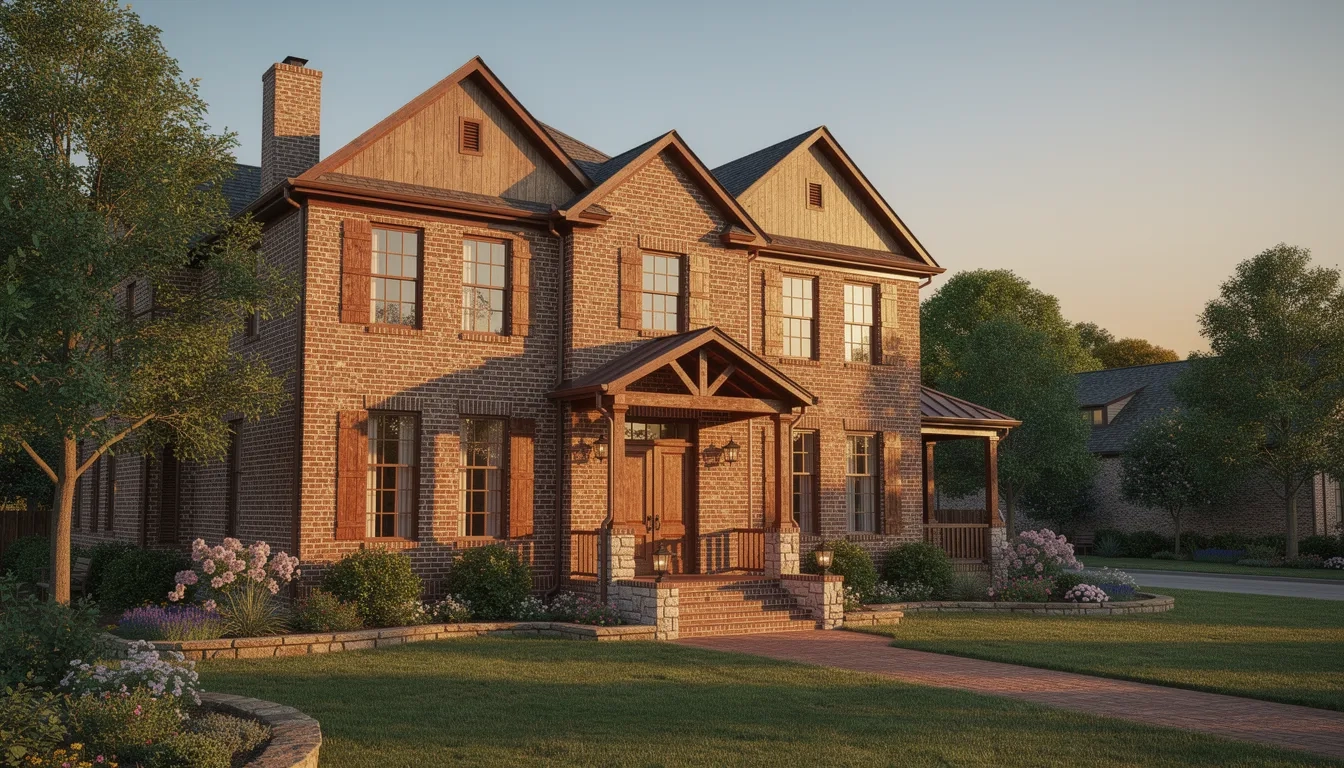
Texas homeowners watching their property values climb have actual relief coming in 2026. The state legislature bumped the homestead exemption to $140,000, expanded senior and disabled exemptions to $60,000, and locked in a tax ceiling freeze that stops school taxes from rising no matter what happens to your home's value.
But here's the catch: none of this applies automatically. You have to file the paperwork, and most homeowners don't realize they're leaving thousands on the table every year.
The difference between someone who stacks these exemptions correctly and someone who doesn't can run $3,847 annually on a typical $375,000 home in the Austin metro area. That's real money—not "potential savings" buried in fine print.
Understanding the $140,000 Homestead Exemption
The general homestead exemption strips $140,000 from your home's taxable value for school district tax purposes. Think of it as the foundation everything else builds on.
Your home appraises at $350,000. With the exemption, the school district taxes you on $210,000. At a school tax rate of 1.2%, you save $1,680 every year. Skip the exemption and you're paying full freight.
Eligibility is simple:
- Your name appears on the deed
- The home is your primary residence as of January 1
- You're filing as an individual, not through a business entity
Senate Bill 4 pushed this through and applied it retroactively to 2025. According to Texas Comptroller data, the average homeowner saves around $360 per year when you factor in school tax rate compression alongside the exemption.
You file once using Form 50-114 with your county appraisal district. Done. The exemption stays active until you sell or move. Deadline is April 30, though you can apply retroactively for up to two years if you missed it.
The 10% Appraisal Cap Protection
Beyond exemptions, homestead properties get a 10% annual cap on assessed value increases. Your home's market value jumps 25% in one year? Your taxable value can only climb 10%.
This cap vanishes the moment you add square footage or make major improvements. Convert your garage into living space and the appraisal district will reassess those additions at full market value—no cap applies.
Non-homestead properties (rentals, second homes) under $5 million temporarily enjoy a 20% cap. It's a newer provision designed to slow runaway appraisals in investor-heavy markets, but it won't last forever.
Senior and Disabled Homeowner Benefits (Age 65+)
Homeowners who turn 65 or qualify as disabled under Social Security standards get a different tier of relief entirely. The additional $60,000 exemption (up from $10,000 via Senate Bill 23) stacks on top of the general homestead exemption.
Total school district exemption for seniors: $200,000.
That's substantial. But the tax ceiling freeze is where the real savings live. Once you qualify, your school district tax bill freezes at that year's amount—permanently. Tax rates climb, your home doubles in value, doesn't matter. Your school tax stays locked.
On a $400,000 home in a district where rates keep creeping up, this freeze saves $3,000 to $5,000 over a decade. Maybe more.
One thing to understand: the freeze only touches school taxes. City, county, and special district taxes still move with rates and appraised values.
Timing matters here. You qualify the year you turn 65, even if your birthday is December 31. File Form 50-114 before April 30 to lock the freeze for that tax year. Wait until the next year and you're stuck with a higher frozen amount—permanently.
Surviving spouses keep these benefits for life if they're at least 55, maintain the home as their primary residence, and don't remarry. That's worth knowing if you're planning estate decisions.
Disabled Veteran Property Tax Exemptions
Texas treats disabled veterans better than most states when it comes to property taxes. The exemptions run by VA disability rating.
Partial disability exemptions:
- 10–29% rating: $5,000 off assessed value
- 30–49% rating: $7,500 off assessed value
- 50–69% rating: $10,000 off assessed value
- 70–100% (non-P&T): $12,000 off assessed value
These knock down your taxable value but don't zero out the bill.
100% Permanent and Total (P&T) or Individual Unemployability (IU) veterans pay nothing—zero property tax on their primary homestead regardless of home value. No cap. No income test. No expiration.
A 100% P&T veteran owning a $400,000 home in Bell County (near Fort Cavazos) with a 2.30% effective tax rate saves $8,050 annually. That's $667 per month not going into escrow, which changes the math on mortgage qualification in a meaningful way.
The exemption applies across all taxing jurisdictions: county, school, municipal utility districts, city taxes. It never expires, needs no re-application after initial approval, and transfers to an un-remarried surviving spouse for life.
To apply, submit Form 50-114 to your county appraisal district with:
- Your VA disability rating letter
- Texas driver's license or state ID matching the property address
- Proof of ownership (property deed)
Late applications? They're accepted. Retroactive benefits go back five prior tax years.
Combining Multiple Exemptions
Exemptions stack automatically—you don't pick and choose between them. A 68-year-old disabled veteran with a 60% VA rating gets all of this at once:
- $140,000 general homestead exemption
- $60,000 over-65 exemption
- $10,000 partial veteran exemption
- Tax ceiling freeze on school taxes
Total school district exemption: $210,000. On a $350,000 home, only $140,000 gets taxed for school purposes. And that amount freezes.
One wrinkle: if you qualify for both the senior exemption and the disability exemption (under Social Security disability), you can only claim one. They provide identical dollar amounts and tax ceiling benefits, so the state won't let you double-dip.
Texas Homeowner Assistance Fund (TXHAF)
Homeowners who fell behind on payments because of COVID-19-related hardship can tap the Texas Homeowner Assistance Fund for grants—not loans—of up to $25,000 to cover past-due property taxes and fees.
Eligibility:
- Own and occupy the property as your primary residence
- Household income at or below Area Median Income
- Experienced financial hardship after January 21, 2020
The program also covers delinquent mortgage payments, insurance, and HOA fees. The Texas Department of Housing and Community Affairs (TDHCA) runs it, funded through the American Rescue Plan Act.
Applications go through www.texashomeownerassistance.com. Unlike county payment plans, TXHAF assistance doesn't accrue interest or require repayment if you meet eligibility. It's a grant.
County Payment Plans and Installment Options
Texas law doesn't require counties to offer payment plans, so arrangements vary wildly by jurisdiction.
Harris County lets you stretch payments across 12, 24, or 36 months. Interest climbs 1% monthly, but enrollment stops penalties and collection actions.
Travis County offers quarterly payment plans exclusively for homeowners with 65-or-older or disability homestead exemptions, plus those in declared disaster areas.
Williamson County breaks payments into four installments due January 31, March 31, May 31, and July 31 for qualifying accounts.
If your county doesn't offer public payment plans and you don't qualify for TXHAF, you're looking at private property tax loans. These carry higher interest rates and should be your last resort, not your first call.
Property Tax Deferral for Seniors and Disabled Homeowners
Under Texas Tax Code Section 33.06, homeowners age 65 or older (or those with qualifying disabilities) can defer property taxes on their homestead indefinitely. No payment required.
Deferred taxes accrue 5% annual interest and come due when the property sells, transfers, or stops being your homestead. The lien stays with the property—heirs or buyers settle the debt at closing.
This works for homeowners with cash flow problems who plan to stay in the home long-term. The 5% interest rate usually runs lower than private loan rates, and there's no credit check or income test beyond age or disability status.
Apply through your county tax office. Some appraisal districts process deferrals automatically once you're approved for the over-65 or disability exemption. Others want separate paperwork.
Protesting Your Appraisal
Even with exemptions, your assessed value drives your tax bill. The elephant in the room is that appraisal districts don't always get it right.
The appraisal district mails notices in April or May. Check yours.
Protest deadline: May 15 or 30 days after receiving your notice, whichever is later.
You can challenge your appraisal informally or through a formal hearing with the Appraisal Review Board (ARB). House Bill 1533 now requires districts to give 15-day advance notice before hearings and offer remote participation options (a pandemic-era change that stuck).
Successful protests commonly drop assessed values by 5% to 15%. On a $400,000 home with a 2.5% total tax rate, a 10% reduction saves $1,000 annually. Every year. That adds up.
Evidence that works: recent comparable sales in your neighborhood, photos of needed repairs, independent appraisals. The burden of proof sits on you, not the appraisal district, so show up prepared.
What's Coming: Future Legislative Proposals
Governor Greg Abbott has floated eliminating school property taxes entirely, replacing revenue with state funds. Lt. Governor Dan Patrick's "Operation Double Nickel" would increase the homestead exemption to $180,000 and drop the senior exemption age from 65 to 55.
Neither has passed into law. But both signal the direction of future relief efforts. If you're planning long-term tax strategy around a Texas homestead, track what happens in Austin during legislative sessions.
Bottom Line
File Form 50-114 with your county appraisal district before April 30 to activate your exemptions for the current tax year. You won't get relief automatically just because you've lived in your home for years. The paperwork triggers everything.
Seniors turning 65 should file immediately to lock in the tax ceiling freeze at the lowest possible amount. Every year you wait costs you money—permanently.
100% disabled veterans should verify their exemption is active. Many qualify but never file. The retroactive window extends five years, so you can reclaim overpaid taxes if you catch it.
Check your appraisal notice every spring. Protest if the assessed value looks inflated. Most protests settle informally without formal hearings, and the potential savings justify the 20 minutes of paperwork.
Frequently Asked Questions
Can I claim the homestead exemption on a home I just purchased?
Yes, as long as you occupy it as your primary residence by January 1 of the tax year. Close in December 2026 and you qualify for 2027 relief. File Form 50-114 with your county appraisal district by April 30 to lock the exemption in for that year.
Does the senior tax ceiling freeze apply to my entire property tax bill?
No. The freeze only locks your school district taxes. County, city, and special district taxes keep moving based on rate changes and appraisal increases. Many seniors see their total bill edge up modestly each year despite the school tax freeze—just not as much as it would without the freeze.
What happens to my veteran exemption if I move to a different Texas home?
The exemption doesn't transfer automatically. You file a new Form 50-114 with the appraisal district in your new county and attach your VA rating letter. For 100% P&T veterans, surviving spouses can transfer the exemption to a new homestead as a fixed dollar amount, not a percentage.
Can I stack the homestead exemption with exemptions from my city or county?
Yes. The $140,000 state exemption applies to school district taxes, but many cities and counties offer additional local exemptions ranging from $5,000 to $25,000. These stack automatically once you're approved—check with your appraisal district for what your specific jurisdiction offers.
If I missed the April 30 deadline, can I still apply for exemptions this year?
Yes, but your exemption won't kick in until the following tax year. Texas allows retroactive applications for up to two years for the general homestead exemption. Disabled veterans can apply retroactively for up to five prior tax years and receive refunds for overpaid taxes.
Does making home improvements affect my senior tax ceiling freeze?
Major improvements like adding square footage, building a pool, or converting a garage into living space trigger a reassessment. The appraisal district adds the value of improvements to your frozen tax base, and your school taxes adjust upward accordingly. Routine maintenance and repairs don't touch the freeze.
Sources
- Texas Property Tax Relief Changes for 2026: Official Overview
- Texas Over-65 Property Tax Exemption: 2026 Guide for Seniors
- Texas Disabled Veteran Property Tax Exemption 2026
- Texas Homeowner Assistance Fund
- Texas Homestead Exemption 2026: $100K Amount Explained
- Texas Property Tax Exemptions 2026: Homestead, Senior, Veteran
- Texas Senior Property Tax Help (2026 Guide)
- Texas VA Disability Property Tax Exemption 2026: Rates