Florida Utility Bill Assistance: Your Real Options in 2026
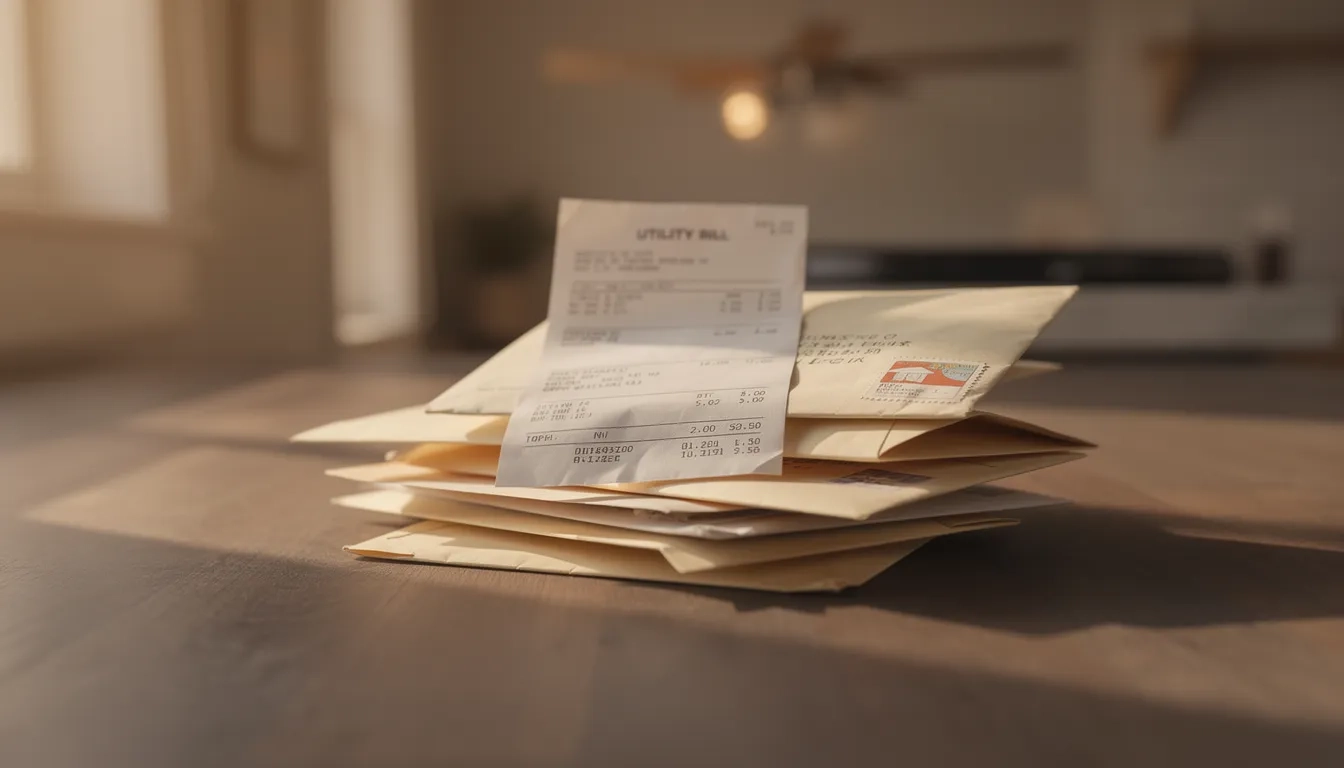
My mother-in-law in Ocala got a "final notice" from Duke Energy Florida last February, and the number that scared her wasn't the bill total. It was the shutoff date, printed in bold, ten days out. She called me instead of calling anyone who could actually help. That's the pattern behind most utility disconnections in Florida: people don't know help exists, or they assume they don't qualify, and the clock runs out before they find the right door.
How Florida Actually Runs LIHEAP (Hint: It's Not a State Website)
The Low Income Home Energy Assistance Program is federal money, but Florida hands the actual work to 30-plus local Community Action Agencies and nonprofits, one per region. The Florida Department of Commerce (renamed from the Department of Economic Opportunity in 2023) just distributes the funding and sets the rules.
There's no single statewide LIHEAP portal that processes your case. You're applying to whichever agency covers your county, and hours, backlogs, and paperwork quirks vary block by block.
For FY2026, income limits sit at 60% of the State Median Income or 150% of the federal poverty level, whichever nets out higher for your household. A single applicant needs to be under roughly $2,679 a month in gross income; a family of four tops out around $5,154 monthly.
Already on SNAP, TANF, or SSI? You skip income verification entirely. Categorical eligibility kicks in automatically.
Benefits for FY2026 run:
- $400 to $1,350 for standard heating/cooling assistance
- Up to $2,000 for year-round crisis assistance (service already off or about to be)
Apply at FloridaLIHEAP.com, call 850-717-8450 to get routed to your county agency, or just dial 211. Funding is first-come, first-served and dries up well before the fiscal year ends. Apply in October when the cycle opens, not in July when the bill is already overdue.
Florida doesn't run one LIHEAP program. It runs 30-something of them, loosely coordinated, with the same name on the door.
That decentralization is the single biggest thing outsiders get wrong about Florida energy assistance. A neighbor two counties over might get approved in a week while you wait a month, and it's not because your case is weaker, just a longer queue.
The Program Nobody Mentions Until It's Almost Too Late: EHEAP
The Emergency Home Energy Assistance for the Elderly Program sits under the Florida Department of Elder Affairs, built for households with someone 60 or older facing an active energy crisis: a disconnection, a delinquent bill, a past-due notice sitting on the counter.
EHEAP pays out more generously than standard LIHEAP crisis assistance, up to $5,000 across multiple energy bills while funds last, covering electricity, natural gas, propane, fuel oil, kerosene, even wood.
A common misconception: people assume the bill has to be in the older adult's name. It doesn't. If a 62-year-old lives in a household where the electric account belongs to an adult child or a spouse, that household can still qualify. Proof of residence (a driver's license, mail addressed to the unit) is usually enough.
Who to Call
- South Florida: EHEAP.org, run by the Alliance for Aging
- Statewide general line: 800-963-5337
- Local Area Agencies on Aging, found through elderaffairs.org
Heating season runs October through March, cooling season April through September, and which bucket your application falls into can affect processing speed.
One honest limitation: EHEAP funding is finite and regional, so a county with a large elderly population (The Villages, or Broward) can burn through its allocation faster than a rural panhandle county with fewer applicants.
When the Power Company Is Also the Charity
Florida's investor-owned utilities run their own giving programs on top of LIHEAP, and they're worth applying to separately. They don't share a waitlist with the state.
FPL's Care to Share program, administered through the Salvation Army and local nonprofit partners, gives up to $500 toward electric service once every 12 months, plus up to $2,000 for electrical repairs like a damaged meter can or weather head. It runs on shareholder, employee, and customer donations, not ratepayer money, which is why the pool varies year to year.
Duke Energy Florida's Share the Light Fund works similarly. Employees, retirees, and customers donate, and the Duke Energy Foundation matches contributions dollar-for-dollar up to $500,000 annually. In 2025 that combination delivered close to $30.5 million to roughly 31,000 Florida households — for 2026, Duke tied bonus donations to Tampa Bay Rays wins, a marketing gimmick, sure, but the money lands in the same fund regardless.
| Program | Who Runs It | Benefit Type | Basic Eligibility |
|---|---|---|---|
| LIHEAP | County Community Action Agencies (FL Dept. of Commerce) | $400-$1,350 heating/cooling; up to $2,000 crisis | Income at or below 150% FPL or 60% SMI |
| EHEAP | FL Dept. of Elder Affairs / Area Agencies on Aging | Up to $5,000 across bills | Household member 60+, active energy crisis |
| FPL Care to Share | Salvation Army + local partners | Up to $500 electric (1x/12mo); up to $2,000 repairs | FPL customer, demonstrated hardship |
| Duke Energy Share the Light Fund | Duke Energy Foundation + community agencies | Varies by household, funded by donation pool | Duke Energy Florida customer, income-qualified |
| LIHWAP (water) | County water utilities / FL Dept. of Commerce | Grant toward past-due water/sewer bill | Income at or below 60% SMI, responsible for the bill |
If you're a TECO or Gulf Power customer, both run comparable charity funds through their own community partners. The pattern repeats across every regulated utility in the state, just under different brand names.
Don't Forget the Water Bill: LIHWAP Exists Too
Everyone focuses on electric because that's what gets disconnected first, but water and sewer bills have their own federal assistance program, and it's chronically under-applied-for.
The Low Income Household Water Assistance Program funnels federal money through the Florida Department of Commerce down to county water utilities and Community Action Agencies. Miami-Dade's Water and Sewer Department partners directly with the state; Pinellas County scales its grant to household size; Martin County calls its version the Lend a Hand Program; Broward routes applicants through Gateway Community Outreach.
Hillsborough County instead runs a standing hardship discount on water and wastewater rates rather than a one-time grant, worth checking alongside LIHWAP.
Eligibility mirrors LIHEAP roughly: income at or below 60% of State Median Income, and you have to be responsible for the account. Funds go first-come, first-served, and several counties exhaust their LIHWAP allocation by early spring.
What to Have Ready Before You Apply
Nothing kills an application faster than showing up without the right paperwork and getting bounced to the back of the queue. Gather this before you call or log in:
- Photo ID for every adult in the household
- Social Security cards (or numbers) for all household members
- Proof of income for the last 30 days (pay stubs, benefit award letters, or a self-employment ledger)
- Your most recent utility bill, ideally showing a past-due balance or disconnect notice
- Proof of residence (lease, mortgage statement, or a utility bill with your address)
- Proof of citizenship or qualified immigration status
For EHEAP, add proof of age for the household member who's 60 or older. If the utility account isn't in your name, bring something showing you live there anyway: a piece of mail, a lease with your name on it.
Apply through 211 first if you're not sure which program fits. The call center screens for LIHEAP, EHEAP, LIHWAP, and utility charity programs in one conversation instead of making you guess.
You Got a Disconnection Notice. Here's the Actual Timeline.
Let's be precise here, since a lot of secondhand articles aren't. Florida lawmakers introduced the PAUSE Act (HB 419/SB 330) in 2025, sponsored by Rep. Debra Tendrich and Sen. Lori Berman, to ban disconnections during 90-degree heat, freezing cold, or declared emergencies. It died in the Economic Infrastructure Subcommittee on June 16, 2025.
Florida currently has no statewide law banning summer heat disconnections. Worth knowing before you count on protection that doesn't exist yet.
What does exist, for FPL, Duke Energy Florida, TECO, and other Public Service Commission-regulated utilities, is Florida Administrative Code Rule 25-6.105(5). It requires a written final notice before disconnection, and customers typically get around five working days to pay or set up a payment arrangement. Miss the arrangement date and the disconnection proceeds.
A wrinkle almost nobody mentions: municipal utilities and electric cooperatives aren't bound by PSC rules at all. JEA in Jacksonville, Orlando Utilities Commission, Tallahassee's city-run utility, and rural co-ops set their own disconnection and notice policies through their own boards. Tallahassee, for instance, adopted its own minimum shut-off threshold locally rather than following any state mandate.
If you get a notice:
- Call the utility immediately and ask specifically for a payment arrangement, not just "more time"
- Apply for LIHEAP crisis assistance or EHEAP the same day, since crisis funds move faster than standard applications
- Ask about medical certification if anyone in the home depends on powered medical equipment; most Florida utilities will delay disconnection with a doctor's note, though it's not a permanent fix
- File a complaint with the Florida Public Service Commission if you believe the utility skipped required notice steps
The Mistakes That Cost People Their Service
Waiting for the shutoff date to apply is the single most common and most expensive mistake. LIHEAP crisis funds and EHEAP both take days to process, sometimes longer if the local agency is backlogged, and a notice that gives five working days doesn't leave room for a slow application.
Other patterns that trip people up, again and again:
- Assuming one denial means permanent ineligibility: a documentation gap, not an income problem, causes most denials
- Applying to LIHEAP but skipping the utility's own charity program, leaving real money on the table
- Not realizing water bills qualify for separate help under LIHWAP
- Letting a bill sit in a family member's name and assuming that disqualifies the household. It usually doesn't, for EHEAP especially
- Missing the October funding-cycle opening and applying in summer when county allocations are already thin
My take: Florida's system asks a lot of people already stretched thin. Chasing five programs across three agencies to keep the lights on isn't a well-oiled operation, and treating any one as your only shot is a mistake. Apply everywhere you qualify, the same week.
Bottom Line
- Apply to LIHEAP through your county Community Action Agency the moment the October funding cycle opens. Don't wait for a crisis.
- If anyone in the household is 60 or older, file for EHEAP separately. It pays more and draws from its own funding pool.
- Apply to your utility's charity program (Care to Share for FPL, Share the Light Fund for Duke Energy Florida) in addition to LIHEAP, not instead of it.
- Check whether your county runs LIHWAP for water bills. It's a drop in the bucket of what most people apply for, but it can be the difference between current and shut off.
- Holding a disconnection notice right now? Call the utility today and ask for a payment arrangement while your assistance application is pending.
Frequently Asked Questions
Do I have to be unemployed or on welfare to qualify for LIHEAP in Florida?
No. LIHEAP eligibility is based on gross household income relative to the State Median Income, not employment status or enrollment in other welfare programs. Plenty of working households with modest wages qualify, especially larger families where income limits scale up per person.
How do I find my local Community Action Agency?
Call 211, call 850-717-8450, or search FloridaLIHEAP.com with your ZIP code. Your county's agency handles the application, interview, and disbursement, even though the funding comes from the state and federal level.
Can I get help from more than one program at once?
Yes, and you generally should. LIHEAP, EHEAP, LIHWAP, and utility-run charity funds like Care to Share draw from separate pots of money, so being approved for one doesn't disqualify you from another, though most cap how much total assistance you can receive per bill.
Is there really no protection against disconnection during Florida's summer heat?
Correct, as of this 2026 update. The PAUSE Act that would have created that protection died in a House subcommittee in June 2025. Some cities and co-ops have their own internal policies, but no statewide law requires it.
What documents slow down an application the most?
Missing proof of income is the top culprit, especially for self-employed applicants or households with irregular gig income. Bring pay stubs, benefit letters, or a signed income statement, and when in doubt, bring it anyway and let the caseworker decide.
My utility bill is in my landlord's name. Can I still get help?
Often, yes, particularly for EHEAP and some LIHWAP county programs, as long as you can show you live at the address and share responsibility for utility costs. Bring a lease or other proof of residence and explain the arrangement to your caseworker directly.
Sources
- Florida | The LIHEAP Clearinghouse
- Emergency Home Energy Assistance for the Elderly Program | Elder Affairs Florida
- FPL | Assistance | Care to Share
- Energy Bill Assistance Available for Qualified Duke Energy Florida Customers | Duke Energy News Center
- HB 419 (2025) - Residential Utility Disconnections | Florida House of Representatives
- Water and Wastewater Hardship/Affordability Assistance Discount | Hillsborough County, FL